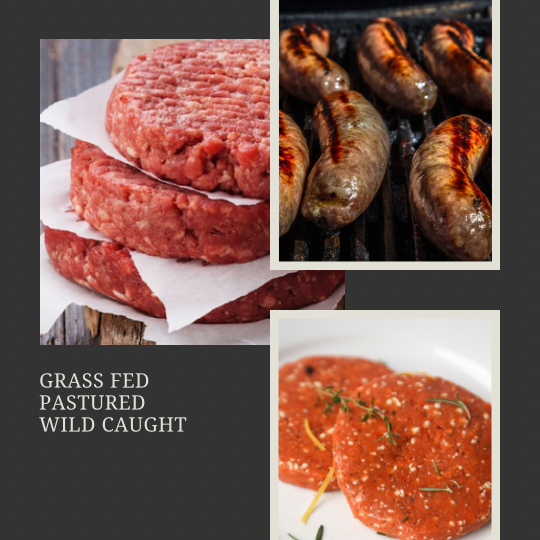
5 Tips for Juicy Grass-Fed Ground Beef Burgers
Updated May 2026: I first shared these grass-fed burger and brat grilling tips last spring, but they’re just as useful heading into Memorial Day again. I’ve refreshed this post with current grilling ideas and simple ways to plan your cookout from the online farm market.
Memorial Day weekend has a way of sneaking up fast. This year it is as early as it can be.
Suddenly the grill is coming out, family is asking what’s for dinner, and you realize you need something simple that still feels special.
If you don’t have pre-formed patties ready to go, don’t worry.
Grass-fed ground beef makes beautiful homemade burgers — and with a few small changes, you can keep them juicy, flavorful, and worthy of the holiday table.
Brats, burgers, sourdough buns, fresh greens, ferments, seasonal vegetables, and a few good condiments can turn a simple cookout into a meal that feels generous and nourishing.
And when you start with real grass-fed beef, you’re already ahead.
Grass-fed beef cooks differently than conventional grain-fed beef. It’s usually leaner, which is one reason people love it — but that also means you can’t treat it exactly the same on the grill.
The trick is not to overwork it, overcook it, or press all those juices out while it’s cooking.
A little gentleness goes a long way.
Here are my best tips for grilling better grass-fed burgers, plus a few brat and burger meal ideas to help you plan your Memorial Day cookout.
🍔 5 Tips for Juicy Grass-Fed Ground Beef
1. Start at room temperature.
Let the beef sit on the counter for about 20 minutes before cooking.
Cold meat cooks unevenly and dries out faster. Giving it a little time to warm up helps it cook more gently and evenly.
2. Add a little fat or moisture.
Because grass-fed beef is lean, a little extra fat helps. Mix in a bit of bacon fat, chopped onions, or a splash of Worcestershire if you like. Or brush the outside with avocado oil before grilling.
You don’t need to overcomplicate it. Just remember that leaner beef appreciates a little help.
3. Shape your patties thick—with a thumbprint.
Form thick patties and press a shallow thumbprint into the center.
That little indentation helps the burger stay flatter as it cooks instead of puffing up in the middle.
Try not to overwork the meat as you shape it. Keep your hands gentle and stop once the patty holds together.
4. Sear, then lower the heat.
Start with a hot grill so you can get a nice crust.
Sear each side for 2–3 minutes over higher heat, then lower the grill temperature or move the burgers to a cooler part of the grate to finish cooking.
This gives you flavor on the outside without drying out the inside
5. One flip is enough.
Flip once, don’t press them down, and don’t walk away. Grass-fed beef cooks about 30% faster than conventional meat.
Medium-rare to medium is usually where grass-fed burgers shine best. A meat thermometer is your friend here, especially if you’re cooking for a group.
Planning Ahead for Summer Grilling?
If your family uses ground beef regularly, summer is a good time to stock up.
We have an aged beef presale open now for grass-fed ground beef and beef patties. This is the kind of food that makes sense to keep in the freezer for cookouts, quick weeknight meals, and simple family dinners.
One customer asked if she could stock up and reserve five at a time.
Yes — absolutely.
If you know your family will use it, this is a practical way to plan ahead.

Planning burgers for summer?
Reserve grass-fed aged ground beef and beef patties now so your freezer is ready for Memorial Day, summer cookouts, and quick weeknight meals.
🌭 5 Tips for Perfectly Grilled Pastured Pork Brats
Brats are another cookout favorite because they’re easy, flavorful, and satisfying.
The key is to cook them gently first, then finish them with direct heat.
1. Preheat the grill to 400°F.
Get your grill good and hot. Then turn off the burner on one side to create a cooler, indirect heat zone.
2. Cook over indirect heat first.
Place the brats over the unlit burner and close the lid. Let them cook gently for about 8 minutes. This helps them cook through without bursting.
3. Flip and repeat.
Turn the brats over, close the lid again, and cook for another 8 minutes. Slow, steady heat keeps them juicy.
4. Finish with a flame kiss.
Move the brats to the direct heat side of the grill and sear them for about 2 minutes per side. Keep an eye on flare-ups—move the brats if flames hit them directly.
5. Cook to the right internal temp.
Use a meat thermometer to check for doneness. Pork brats are done at 160°F. Don’t guess—checking ensures they’re safe, juicy, and perfect every time.
MEMORIAL DAY BURGER & BRAT MEAL IDEAS:
These ideas are built around simple farm foods you may already have in your fridge — grass-fed beef, brats, fresh greens, seasonal vegetables, ferments, sourdough buns, and pantry condiments.
A good burger doesn’t need to be complicated.
But one spoonful of something fermented — sauerkraut, kimchi, fermented jalapeños, pickled mustard seeds, or fermented hot sauce — can turn a simple sandwich into something bright, tangy, and memorable.
Use these ideas as inspiration, then make them your own.
Smoky Cheddar Beef Burger
- Patty: Ground beef with smoked paprika, garlic powder, salt, and pepper.
- Cheese: Sharp cheddar, melted.
- Bun: Toasted brioche with garlic aioli.
- Toppings: Arugula, caramelized onions, sliced red watermelon radish, thinly sliced celery.
- Fermented Upgrades:
- Swap pickles for kimchi or sauerkraut for a bolder tang.
- Add fermented jalapeños for smoky heat.
- Stir fermented hot sauce into the aioli.
Asian-Inspired Salmon Burger
- Patty: Salmon with ginger, garlic, scallions, soy sauce, and sourdough bread crumbs.
- Bun: Toasted brioche with wasabi or sriracha mayo.
- Toppings: Crunchy slaw with red cabbage and bok choy, green onions, grated fresh ginger, thinly sliced watercress, and avocado.
- Fermented Upgrades:
- Add chopped kimchi or fermented pickled ginger to the slaw.
- Stir fermented chili paste into the mayo.
- Finish with a splash of rice vinegar brine from fermented veggies.
Mediterranean Turkey Burger
- Patty: Ground turkey with garlic, oregano, parsley, salt, and pepper.
- Bun: Toasted brioche with tzatziki.
- Toppings: Tomato, cucumber, red onion, crumbled feta (optional), plus a handful of red dandelion greens and sliced celery for crunch.
- Fermented Upgrades:
- Add lacto-fermented red onions or cucumber pickles.
- Include a spoonful of fermented garlic spread under the patty.
- Stir some fermented lemon paste or brine into the tzatziki.
Balsamic Portobello Burger
- Patty: Grilled portobello marinated in balsamic, olive oil, garlic, and thyme.
- Bun: Toasted brioche with mayo or pesto.
- Toppings: Roasted red peppers (optional), fresh lacinato kale or loose leaf lettuce, thinly sliced garlic chives.
- Fermented Upgrades:
- Add a layer of sauerkraut or fermented carrot slaw.
- Try a swipe of miso mayo for earthy umami.
- Include a few fermented olives or capers for a briny touch.
Classic Beer-Brat Sandwich
- Brat: Grilled and simmered in beer with onions.
- Bun: Pretzel roll or hoagie bun.
- Toppings: Sautéed onions and peppers, yellow mustard, with a handful of sautéed lacinato kale or green cabbage for texture.
- Fermented Upgrades:
- Classic sauerkraut is always welcome.
- Add fermented jalapeños or spicy fermented peppers.
- Mix fermented mustard or pickled mustard seeds into your topping spread.
Spicy Apple Slaw Brat
- Brat: Grilled bratwurst.
- Bun: Soft roll.
- Toppings: Apple (Crimson Topaz or Evercrisp), shredded green cabbage, carrot slaw with mustard vinaigrette, plus chopped garlic chives.
- Fermented Upgrades:
- Mix in chopped kimchi or fermented slaw for tang and heat.
- Add fermented hot sauce for a punchy finish.
- Top with pickled mustard seeds or a few fermented red onion slices.
What to Add to Your Cookout Order
Before you head into the weekend, take five minutes to check what you already have and what you still need.
A simple cookout can come together quickly when you have the basics covered.
MEAT AND SEAFOOD:
Let us help with your Memorial Day cookout!
We have grass-fed beef patties, several varieties of wild-caught salmon burgers, and pasture-raised German bratwurst. If you prefer to mix up your own burgers, choose from grass-fed ground beef, organic ground turkey, and pastured ground pork. 💡Tip: Love pork? Make a delicious pork burger. Or mix beef and pork together.
BREAD & BAKERY:
Vince’s sourdough brioche buns are a perfect addition to your cookout menu.
Add a loaf (or two) of sourdough bread to pair with our ready-to-eat soups.
If you need something sweet for dessert, check out our selection of sourdough baked goods. (That rhubarb vanilla cream danish looks delicious!)
PANTRY RECOMMENDATIONS:
Every cookout needs condiments and toppings. Whether using our meal ideas above or creating your own, check your recipe and add what you need to your market box order.
-
-
- ketchup, mustard
- chili sauce, miso (white and red)
- salsa, sriracha, Andres’ salsa macha
- Kimchi, pickled ginger
- giardiniera
- sauerkraut (several varieties!)
-
Not Grilling This Weekend?
If your weekend is full and you need something easier, ready-to-eat soups, sourdough bread, and a fresh green salad can make a simple real-food meal.
It doesn’t have to be complicated to be nourishing.
One Last Planning Tip
Always check your recipes before you order.
Look at what you already have. Then make a quick list of what you still need.
It takes a few extra minutes, but it beats realizing at the last minute that you’re missing buns, mustard, greens, or something simple that would have pulled the meal together.
Ground beef.
Brats.
Buns.
Greens.
Ferments.
Condiments.
Something simple for dessert.A little planning now makes the holiday meal feel easy later.
Shop the online farm market for Memorial Day cookout foods here.
Tessa’s Tips For In Season Vegetables
What to use first: bok choy, chives, green onions, green garlic, salad greens, mushrooms
Longest Storage: apples, beets, potatoes
Pro-tip: Look at the items in your market box right away and decide how you will use them in your meal planning for the week. Freeze any veggies you know you won’t be able to eat in the week.
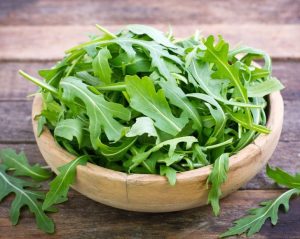
Arugula – This leafy green has a peppery, slightly bitter flavor and is commonly used in salads, sandwiches, and as a garnish. It is low in calories and packed with vitamins A, C, and K, as well as folate and antioxidants, which support eye health, immune function, and bone strength. Arugula can be eaten fresh or lightly wilted in pasta dishes and pizzas. Some prefer to eat it tossed with other fresh greens or lettuce so that the spicy taste is not as strong. Putting it on a sandwich is another delicious way to enjoy its distinct flavor. Store wrapped in a paper towel inside a loosely sealed plastic bag in the refrigerator crisper drawer. Properly stored, arugula can stay fresh for up to 3-5 days. For best quality, use arugula soon after purchasing.
💡Tip: Arugula isn’t just for salad. Here are 29 Ways to Eat Arugula including pasta dishes, pizza, sandwiches, and more.
 Asparagus – This spring vegetable is prized for its tender, nutrient-packed stalks. Rich in vitamins A, C, E, K, and folate, asparagus is also a good source of fiber and antioxidants. Its mild, earthy flavor makes it versatile in various dishes, from grilling and roasting to adding to pastas and salads. Asparagus is available in green, white, and purple varieties, with the green being the most common. Store fresh asparagus upright in a jar with a little water in the fridge, or wrapped in a damp towel inside a plastic bag, and use within 3–5 days for the best taste and texture.
Fun Fact: Asparagus is one of the few vegetables that comes in multiple colors! The green variety is the most commonly consumed, but purple asparagus is sweeter, while white asparagus, grown underground to avoid sunlight, has a milder flavor and more delicate texture.
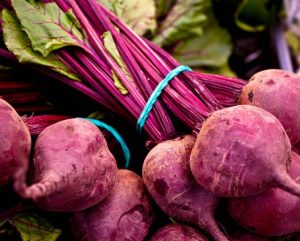
Beet, Red – Red beets are root vegetables known for their earthy flavor and vibrant red-purple color. They are rich in nutrients like folate, manganese, potassium, dietary fiber, and antioxidants such as betalains, which help reduce inflammation and support heart health. Both the roots and greens are edible, with the greens offering additional nutrients like vitamins A and C. Beets can be eaten raw in salads, roasted, boiled, or blended into smoothies and soups. Store beet greens separately from the root, wrapped in a damp cloth or in a plastic bag in the fridge. Use within a few days – they don’t keep long. Beetroots can be stored in a plastic bag in the fridge’s crisper drawer for up to two weeks. To freeze beets for longer storage, slice or chop them, spread on a cookie sheet to flash freeze, then transfer to freezer bags where they can be stored for up to a year.
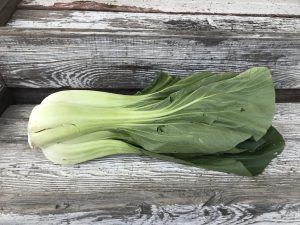 Bok Choy – This leafy green vegetable is a member of the Brassica family. It is rich in vitamins A, C, and K, folate, calcium, and iron. Low in calories and packed with antioxidants, it supports eye health, bone strength, and immune function. Bok choy can be eaten either raw or cooked. With a mild, slightly sweet, and peppery taste, bok choy is versatile in cooking—perfect for stir-fries, soups, and salads. If stir-frying or sautéing, chop the white stalks separately from the green leaves and start cooking the white stalks several minutes before adding the leaves to avoid overcooking the greens. Bok choy can also be grilled by cutting the vegetable lengthwise and drizzling with oil. To store, keep it unwashed in a perforated plastic bag in the refrigerator’s crisper drawer, where it stays fresh for 3-5 days.
💡Tip: Dirt often gets trapped in the widest part of the white stalks, so wash it well.
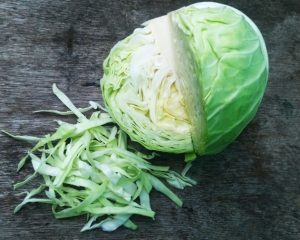
Cabbage, Green – Green cabbage is a nutrient-dense cruciferous vegetable in the Brassica family, known for its tightly packed, round, pale green leaves. It is rich in vitamins C and K, as well as fiber and antioxidants, which are beneficial for immune health, digestion, and bone strength. With a mild, slightly peppery taste, green cabbage can be enjoyed raw in salads and slaws, or cooked in stir-fries, soups, and stews. To store, keep green cabbage unwashed in a perforated plastic bag in the refrigerator’s crisper drawer, where it can stay fresh for up to two weeks.
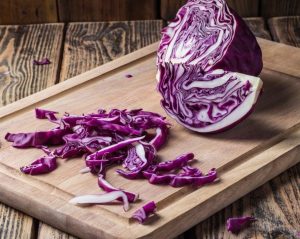 Cabbage, Red – Red cabbage is a vibrant vegetable with a slightly peppery and sweet flavor. It is rich in vitamins C and K, fiber, and antioxidants like anthocyanins, which support immune health, digestion, and reduce inflammation. Red cabbage can be eaten raw in salads and slaws, pickled, or cooked in stir-fries, soups, and stews. Store it in the refrigerator, unwashed, in a plastic bag, where it can stay fresh for up to two weeks.
💡Tip: Try using red cabbage to make quick pickled cabbage. Thinly slice the cabbage, then toss it with vinegar, lime juice, a pinch of sugar, and spices like cumin or chili flakes. Let it sit for 30 minutes to develop flavor. The result is a tangy, crunchy topping that adds both texture and a pop of color to your meal. Perfect for tacos, burgers, or grain bowls!

Celery – Celery is a crunchy, low-calorie vegetable known for its mild, slightly salty flavor. It is rich in vitamins K and C, folate, potassium, and fiber, supporting bone health, digestion, and hydration. Celery is often eaten raw as a snack, added to salads, or used as a base in soups, stews, and stir-fries. Store celery in the refrigerator, tightly wrapped in aluminum foil to retain its crispness, where it can stay fresh for up to two weeks. For longer storage, celery can be chopped and frozen.
💡Tip: Don’t forget to use those celery greens! They’re a great addition to cooked beans, salads, eggs. Use leaves to make pesto or dry them and make your own parsley flakes, powder, or salt.
 Dandelion Greens, Red – A striking and slightly more tender variety of traditional dandelion greens, red dandelion greens are easily recognized by their deep green leaves and vivid reddish-purple stems and veins. Like their green-stemmed counterparts, they’re packed with vitamins A, C, and K, calcium, and antioxidants, but red dandelion greens tend to have a slightly milder bitterness and can be more visually appealing in dishes. Their bold color and flavor shine when lightly sautéed with garlic, added to soups or pasta, or eaten raw in salads (especially when balanced with citrus or fruit). Store unwashed greens in a loosely sealed bag with a damp paper towel in the fridge, using within 3–5 days for best quality.
Fun Fact: Despite the name, red dandelion greens aren’t true dandelions — they’re actually a type of chicory! But their similar leaf shape and bitter flavor earned them the name.
 Garlic Chives – Garlic chives are a member of the onion family, but with a distinct garlic flavor. Their long, flat leaves are a milder, more delicate alternative to garlic cloves and can be used both raw and cooked. Nutritionally, garlic chives are rich in vitamins A and C, calcium, and antioxidants. These versatile greens work wonderfully in salads, soups, stir-fries, or as a garnish for almost any savory dish. Store garlic chives in the fridge wrapped in a damp paper towel inside a plastic bag, and use them within 5–7 days.
Fun Fact: Garlic chives are also known as “Chinese chives” and are used widely in Asian cuisine. They can be used to make a flavorful chive oil, perfect for drizzling on dishes like dumplings or noodle soups.
 Green Garlic – Green garlic is simply young garlic harvested before the bulbs fully form. Its flavor is less intense than mature garlic, with a milder, fresher taste that is both garlicky and onion-like. Green garlic is a great source of vitamins A, C, B6, and minerals like manganese and calcium. It can be used in any recipe that calls for garlic, from sautés to soups, or used raw in dressings and pestos. Store green garlic in the fridge, ideally in a dry container with some airflow, and use it within a week for the freshest taste.
Fun Fact: Green garlic is a seasonal treat, available only in the spring. While it looks like a scallion or young leek, its flavor is distinctly garlic—making it a great ingredient for early spring recipes!

Ginger – Ginger is a flavorful root widely used as a spice and natural remedy. It has a warm, slightly spicy taste and is rich in bioactive compounds like gingerol, which has anti-inflammatory and antioxidant properties. Ginger aids digestion, relieves nausea, and supports immune health. It is versatile in cooking and used in teas, curries, stir-fries, baked goods, and beverages. Store fresh ginger in a cool, dry place for short-term use or in the refrigerator in a paper towel or airtight bag for extended freshness. For long-term storage, freeze peeled or sliced ginger.
💡Tip: Freeze your fresh ginger for longer storage: Peel and slice or grate the ginger. Freeze in an airtight container or ice cube tray. You can also freeze the whole unpeeled root in a freezer bag. Grate or slice directly from frozen as needed.
 Green Onions – Green onions, also known as scallions, have a mild, slightly sweet onion flavor and are packed with vitamins A and K. They are often used raw in salads, salsas, and garnishes but also add depth to stir-fries, soups, and omelets. Their green tops and white bulbs are both edible, making them a versatile ingredient. Store in the refrigerator, wrapped in a damp paper towel inside a bag, or stand them in a jar of water to keep them fresh longer.
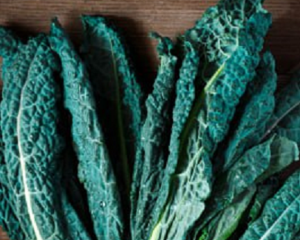 Kale, Lacinato – Lacinato kale, also known as Tuscan or dinosaur kale, is a nutrient-dense leafy green rich in vitamins A, C, and K, as well as calcium, iron, and antioxidants. Its dark green, bumpy leaves have a slightly sweeter flavor compared to other kales, making it ideal for salads, soups, stir-fries, and smoothies. It’s particularly delicious when sautéed with garlic or massaged with lemon juice for raw dishes. To store, place unwashed leaves in a plastic bag or container in the refrigerator’s crisper drawer, where they’ll stay fresh for 5 to 7 days.
Fun fact: NASA has studied kale as a potential crop for space missions because of its high nutrient density. Per calorie, kale has more iron than beef and more calcium than milk. And one cup of raw kale has more vitamin C than a whole orange. (But don’t stop eating those other nutrient-packed foods!)
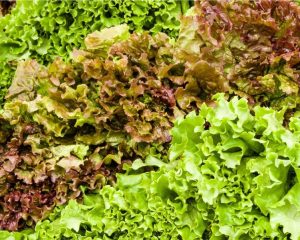
Lettuce, Loose Leaf – Leaf lettuce, known for its loose, leafy structure and mild, slightly sweet flavor, comes in green and red varieties. It is a low-calorie vegetable packed with vitamins A, C, and K, as well as folate and fiber, making it a nutritious choice for salads and wraps. Its tender leaves are best used raw in salads, sandwiches, or as a garnish. Store leaf lettuce in the refrigerator, loosely wrapped in a damp paper towel inside a plastic bag or container, and use it within a week to maintain freshness and crispness.
💡Tip: Don’t miss this exclusive Weekly Salad Greens Subscription to get the freshest greens in the Lehigh Valley every week!
Mushroom Varieties
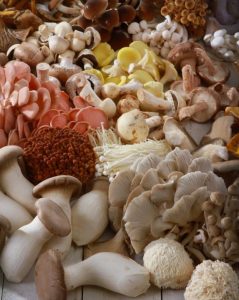
Store mushrooms in a paper bag or breathable container in the refrigerator, avoiding moisture buildup, and only wash them right before use to maintain freshness.
Mushrooms are super versatile in the kitchen. Here are 10 Things You Should Do With Mushrooms.
This roundup of 20 Mushroom Recipes has you covered with meal ideas for breakfast, lunch, or dinner.
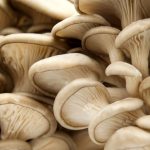 Mushroom, Oyster (Grey) – These delicate, fan-shaped mushrooms have a mild, slightly nutty flavor with a velvety texture. They are rich in antioxidants, fiber, and B vitamins, supporting immune health and energy metabolism. Best sautéed, roasted, or added to stir-fries and soups, they cook quickly and absorb flavors well.
 Mushroom, Portobello & Cremini – Portobello mushrooms are mature versions of cremini mushrooms, offering a meaty texture and rich, earthy flavor. Cremini, also known as “baby bellas,” are younger, smaller, and have a firmer texture with a milder taste. Both are low in calories, fat-free, cholesterol-free, and provide B vitamins, selenium, potassium, and antioxidants. Portobellos are ideal for grilling, roasting, or as a meat substitute in burgers, sandwiches, or stuffed recipes. Creminis are great for sautéing, adding to soups, stir-fries, pasta dishes, or as pizza and salad toppings.
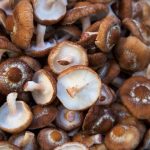 Mushroom, Shiitake – Shiitake mushrooms are prized for their rich, umami flavor and slightly chewy texture, making them a staple in Asian cuisine. They are low in calories, fat-free, and a good source of B vitamins, copper, selenium, and immune-supporting polysaccharides. Shiitakes are versatile and can be sautéed, stir-fried, grilled, or added to soups, stews, and sauces for a depth of flavor. They are popular in dishes like ramen, risotto, and dumplings, and are often used in vegetarian recipes for their meaty texture.
💡Tip: The artisan mushroom sampler is a great way to try different varieties of mushrooms. While we can’t predict or guarantee what will be included, the sampler often includes varieties such as enoki, oyster, shiitake, or trumpet mushrooms!
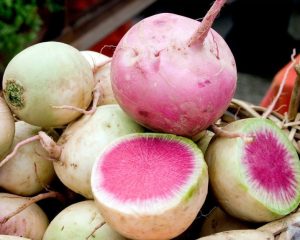 Radish, Watermelon – Watermelon radish is a striking root vegetable with a mild, slightly sweet flavor and a crisp texture. Its pale green skin hides a vibrant pink interior, resembling a watermelon. Rich in vitamin C, potassium, and antioxidants, it supports immune health and reduces inflammation. Watermelon radishes can be enjoyed raw in salads, sliced thinly for garnishes, pickled, or roasted for a milder flavor. Store unwashed watermelon radishes in a perforated plastic bag in the refrigerator, where they can stay fresh for up to two weeks. Wash and trim just before using.
💡Tip: Watermelon radishes make beautiful and delicious chips! Try this easy recipe: Toss thin slices with a little oil and salt, spread on a parchment-lined sheet, and roast at 400°F for 15-20 minutes, flipping halfway through. They’re finished when the edges begin to curl and the radishes turn lightly brown and crispy. Keep an eye on them – they go from perfect to too dark very quickly. Pair finished chips with herbed goat cheese or yogurt, guacamole, or hummus.
 Rhubarb – Rhubarb is a unique perennial vegetable known for its vibrant red or green stalks. While technically a vegetable, it’s most often treated as a fruit in cooking, thanks to its tart, tangy flavor. Rich in vitamin K, fiber, and antioxidants, rhubarb is often used in desserts like pies, crumbles, and jams, though it can also complement savory dishes when paired with meat like pork. The leaves of rhubarb contain toxins and should never be eaten, but the stalks are perfectly safe to enjoy. Store rhubarb in the fridge, wrapped in a damp cloth or in a sealed plastic bag, and use within a week for the best flavor.
💡Tip: To reduce rhubarb’s natural tartness, cook it with some sugar or honey, or combine it with sweeter fruits like strawberries in desserts for a balanced flavor.
Fun Fact: Rhubarb was originally used in ancient Chinese medicine for its health benefits, long before it became a culinary favorite!
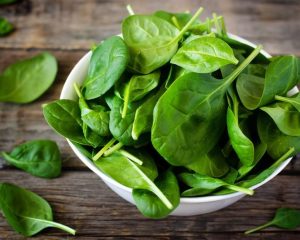 Spinach – Spinach is a nutrient-rich leafy green vegetable packed with vitamins A, C, K, folate, and minerals like iron and magnesium. Low in calories and high in antioxidants, it supports eye health, bone strength, and immune function. Spinach is versatile and can be enjoyed raw in salads, blended into smoothies, or cooked in soups, pasta, and omelets. To store, keep it dry in a perforated plastic bag in the fridge’s crisper drawer, and wash only before use. Properly stored, it stays fresh for 5-7 days.
Fun Fact: During medieval times, spinach juice was used as ink for artwork due to its rich green pigment.
 Stinging Nettle – This wild, nutrient-rich leafy green is known for its fine, hair-like spines that sting when touched raw, though cooking, drying, or blending neutralizes the sting entirely. It has a mild, earthy flavor similar to spinach and has long been used in both culinary and herbal traditions. Nettles are packed with vitamins A, C, K, and B-complex, as well as iron, calcium, magnesium, potassium, and plant-based protein. They’re popular in soups, pestos, egg dishes, sautéed greens, and teas. Always blanch before eating to remove the sting. Store fresh nettles in the fridge wrapped in a damp paper towel inside a produce bag. Use within a few days, or blanch and either freeze or dry for long-term use.
💡Important Tip: Always handle raw nettles with gloves or tongs.
Fun Facts: Stinging nettles aren’t just good for you—they’re good for the planet, too. Nettles grow abundantly without fertilizer and can be harvested multiple times a season. They’re considered a low-impact wild green, especially when foraged responsibly. Plus, they’re a favorite host plant for butterflies like the Red Admiral and Small Tortoiseshell, making them a quiet hero in supporting local pollinators and biodiversity.
 Sweet Potato, Fingerling – Sweet potato fingerlings are small, slender sweet potatoes with thin, edible skin and a naturally sweet, creamy texture. They are rich in fiber, beta-carotene, and vitamin C, promoting digestive and immune health. Roast, sauté, or air-fry them whole for a crispy skin and tender interior, or slice them into fries or hash. Store in a cool, dry place away from light, but avoid refrigeration as it can affect their texture.
💡Tip: Roast whole or halved with herbs and spices for a simple side or mash with a touch of butter and cinnamon for a comforting dish.
 Watercress – Watercress is a peppery, nutrient-dense leafy green packed with antioxidants, vitamins A, C, and K, and beneficial plant compounds. Its crisp, slightly spicy flavor makes it excellent in fresh salads, sandwiches, and as a garnish for soups or main dishes. Store unwashed watercress in a sealed container or produce bag in the fridge for up to 3–5 days; wrap in a damp paper towel to help maintain freshness.
💡Tip: Use watercress in place of arugula or spinach for a sharper bite in salads or on pizza after baking.
Fun Fact: Watercress was once a staple for Roman soldiers and is one of the oldest known leaf vegetables consumed by humans.
Don’t forget: Online shopping opens Friday at 1 PM! 🛒 Stock your kitchen with these clean, nourishing ingredients to fuel your family with nutrient-dense meals. Be sure to grab your favorite staples and try something new for vibrant health this season.
Don’t wait to join…
Veggie E-Books
Download these collections of tips and recipes for each veggie. You’ll use these as a reference throughout the season.
Arugula E-Book
Asparagus E-Book
Beets E-Book
Cabbage E-Book
Fresh Herbs E-Book
Lettuce E-Book
Mushrooms E-Book
Potatoes E-Book
Radish E-Book
Scallion/Green Onion E-Book
Spinach E-BookWe’ll keep farming for you!
Reuben and Tessa DeMaster
Willow Haven Farm