What Does a Nutrient-Dense Diet Look Like for a Busy Family?
TL;DR: Nutrient-Dense Diet
- A nutrient-dense diet focuses on foods that provide more nutrition with fewer highly processed ingredients.
- Simple staples like vegetables, eggs, meat, dairy, fruit, and whole-food pantry items can form the foundation of family meals.
- You do not need to cook everything from scratch or change your diet overnight.
- Small, consistent choices often have a bigger impact than chasing perfection.
- Having quality ingredients readily available makes healthy eating more practical for busy families.
What Is a Nutrient-Dense Diet?
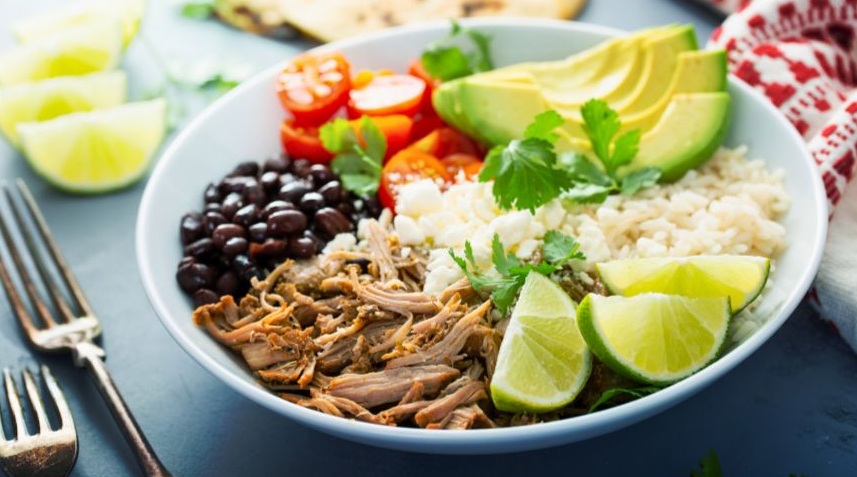
If you’re trying to feed your family better, you’ve probably come across the term “nutrient-dense.” Simply put, nutrient-dense foods provide a high amount of vitamins, minerals, protein, and other beneficial nutrients relative to the calories they contain.
A nutrient-dense diet is not about following a strict food plan or eliminating entire food groups. It is about choosing more whole, minimally processed foods and building meals around ingredients that nourish your family.
For many families, that includes vegetables, fruit, eggs, meat, dairy products, whole grains, legumes, and healthy fats.
What Does a Nutrient-Dense Meal Look Like?
A nutrient-dense meal does not have to be complicated.
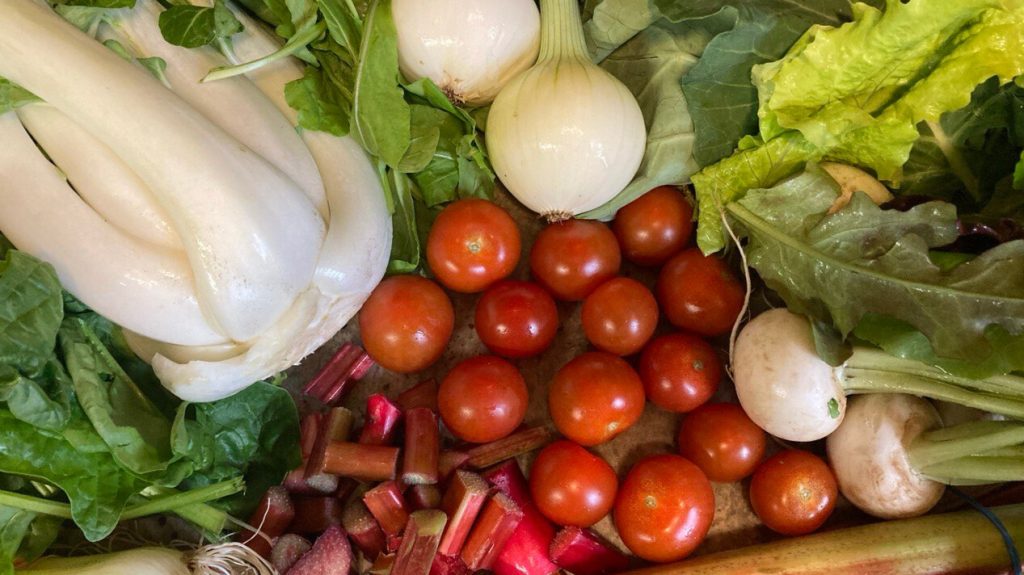
A simple dinner might include roasted vegetables, pasture-raised meat, and sourdough bread. Breakfast could be eggs, fruit, and yogurt. Lunch might be soup, a sandwich made with quality ingredients, and fresh produce.
The goal is not to create perfect meals. The goal is to make nutritious foods a regular part of everyday life.
When your refrigerator and pantry are stocked with wholesome ingredients, putting together balanced meals often becomes much easier.
How Can Busy Families Eat More Nutrient-Dense Foods?
One of the biggest challenges families face is time.
Between work, school activities, sports, and other responsibilities, many people feel like healthy eating requires more time than they have available. The good news is that nutrient-dense eating does not have to be all or nothing.
Small changes tend to be more sustainable than major lifestyle overhauls.
Simple strategies can make a big difference:
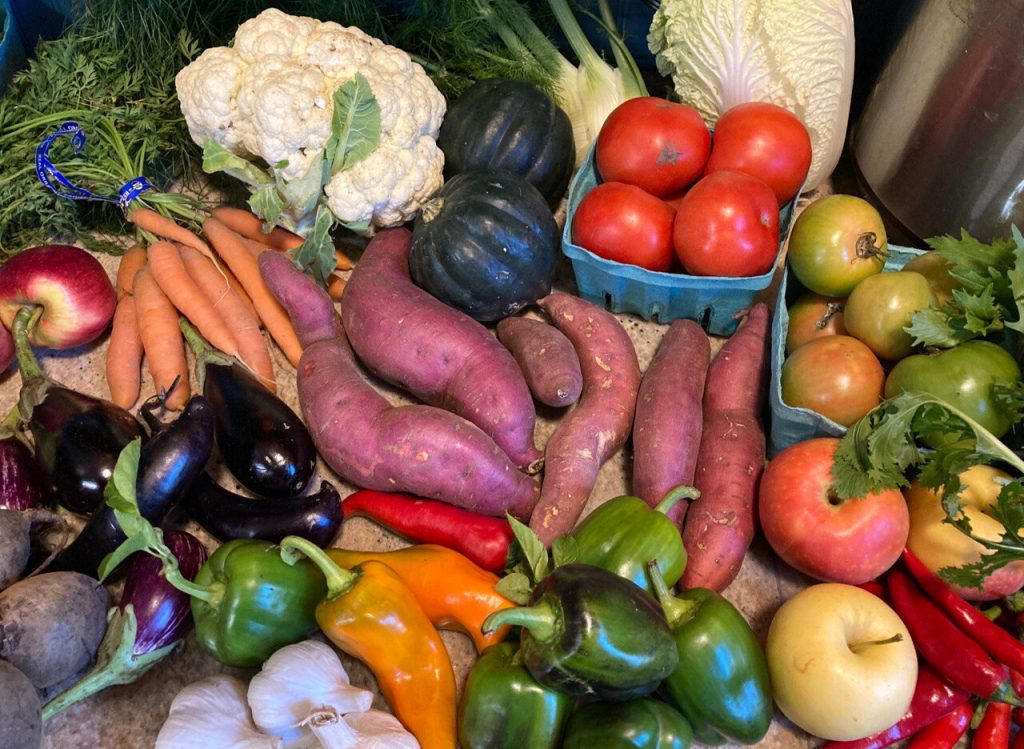
- Keep fresh ingredients available at home.
- Plan a few easy meals for the week.
- Stock convenient options like eggs, yogurt, soups, and prepared foods.
- Focus on adding more whole foods rather than striving for perfection.
- Choose foods your family already enjoys and build from there.
Why Does Food Quality Matter?
Many families are paying closer attention to where their food comes from and how it is produced.
While every family has different priorities, people often look for foods that are fresh, thoughtfully produced, and sourced from people they trust. Having a closer connection to your food source can also provide greater transparency and confidence in what you are serving at home.
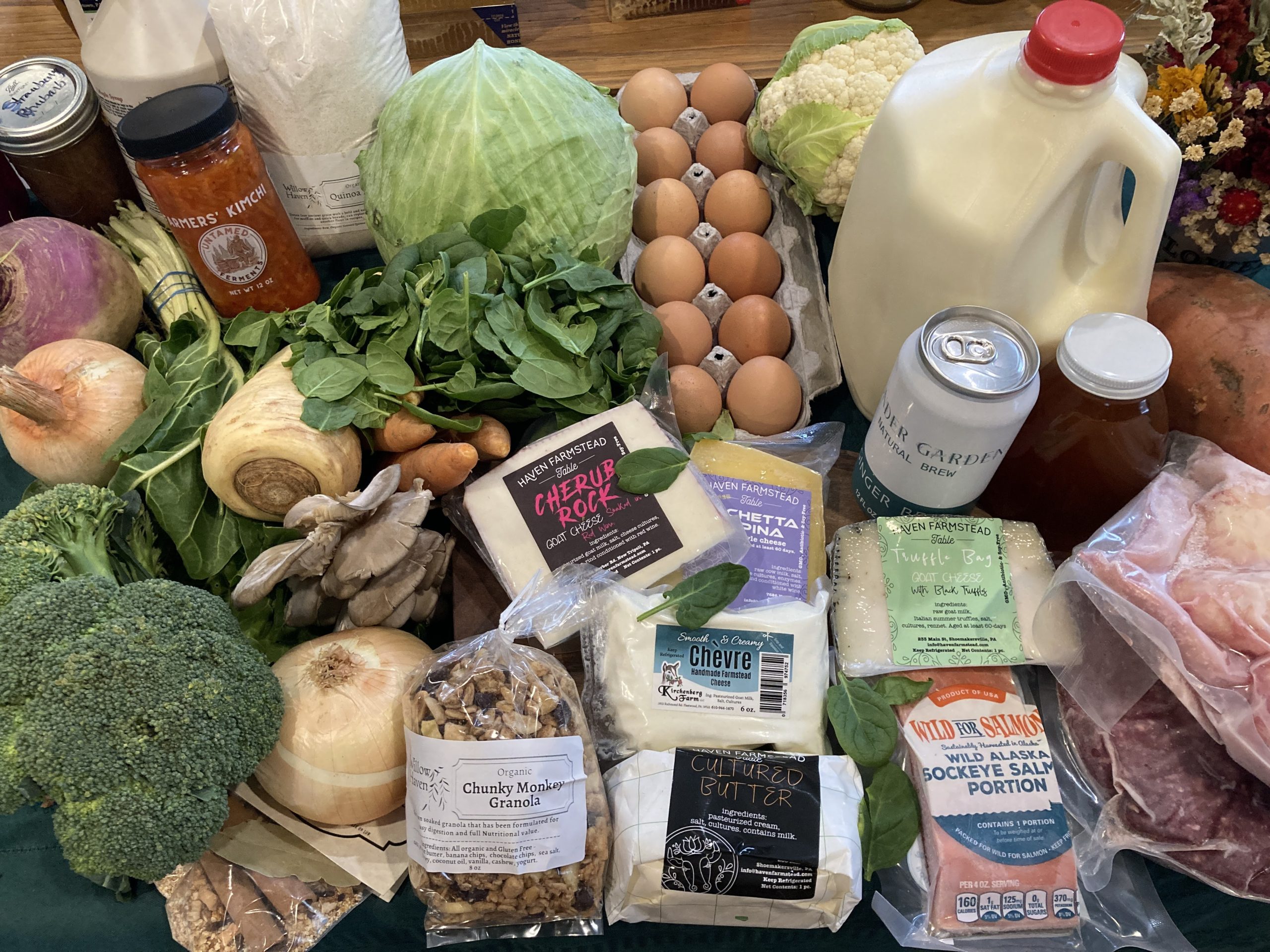
At Willow Haven Farm, we see many customers who simply want an easier way to access vegetables, meat, eggs, grass-fed raw milk and dairy, traditional sourdough, and other staple foods for their households.
How Can Willow Haven Farm Help Make Healthy Eating Easier?
Eating well becomes more manageable when quality food is easy to access.
Willow Haven Farm’s year-round online farm market gives families access to a wide variety of local foods through one convenient shopping experience. Customers can create a free farm account and shop for seasonal vegetables, meat, eggs, dairy, sourdough bread, pantry staples, prepared foods, and products sourced from trusted farms and producers.
Because the Market Box is customizable, families can choose the foods they already use and gradually build healthier habits over time.
The goal is not perfection. The goal is to make real food the normal food in the house. To learn more, please contact Willow Haven Farm today!
Browse our frequently asked questions below to learn more about our farm, products, and services, or contact us directly if you don’t see your question listed. We believe you deserve to know where your food comes from and feel confident about what you’re bringing to your family’s table.
What are nutrient-dense foods?
Do I need to cook every meal from scratch?
Is a nutrient-dense diet expensive?
How can I start eating more nutrient-dense foods?
What foods can I find through Willow Haven Farm?
What are the benefits of eating locally grown food?
Does buying local food help the local economy?
Why does local farm food taste better than grocery store food?
What Does Pasture-Raised Mean When Shopping for Local Meat?
Pastured animals are also part of Willow Haven’s broader approach to managing the farm. Rather than viewing vegetable production, livestock, and soil as completely separate systems, regenerative farming looks at how each can contribute to the health and productivity of the land.
For customers, buying directly through a local farm provides an opportunity to learn more about where food comes from and who produced it. Willow Haven emphasizes this connection by clearly identifying food from our own farm alongside products sourced from other farmers and producers we trust.
Why Should You Know How and Where Your Meat Was Raised?
Willow Haven Farm emphasizes knowing your farmers and understanding the source of your food. We raise meat using regenerative practices and supplements its own products with foods from trusted farmers and producers.
That direct connection can make food sourcing more transparent. Rather than relying exclusively on packaging claims, customers can learn about the people and agricultural practices behind what they’re purchasing.
How Can Buying Meat in Bulk Help Stock Your Freezer?
Before ordering in bulk, consider how much freezer space you have and which cuts your household actually uses. Think about your normal cooking routine as well. Ground meat and other frequently used cuts may move through the freezer quickly, while specialty cuts may require more meal planning.
Willow Haven Farm periodically offers limited bulk-meat opportunities in addition to the pasture-raised meat available through our Market Box. Past farm offerings have included half pigs, while the Market Box provides access to meat alongside vegetables, eggs, dairy, bread, and other local foods.
What Can You Find at a Local Farm Store Beyond Fresh Vegetables?
This variety allows customers to shop for everyday staples alongside seasonal foods rather than visiting the farm only when they need vegetables. Because availability can change throughout the year, shopping locally can also introduce you to foods that reflect what’s currently being grown, raised, or produced in the region.
How Can Shopping at a Farm Store Help You Eat With the Seasons?
Seasonal shopping doesn’t mean every ingredient in your kitchen needs to be locally grown. It can be as simple as building a few meals each week around vegetables that are currently abundant and pairing them with staples you already use.
This approach can also encourage more variety in your cooking. As different vegetables become available, you may discover new ways to prepare familiar ingredients or try something you haven’t cooked before. Willow Haven’s additional meat, dairy, eggs, bread, and pantry options make it easier to turn those seasonal ingredients into complete meals.
What Should You Look for When Choosing a Local Food Source?
Variety and accessibility are also worth considering. A local food source that offers vegetables alongside meat, eggs, dairy, bread, prepared foods, and pantry staples can make incorporating locally produced food into your regular routine more practical.
Knowing your farmer ultimately gives you something a conventional grocery shelf may not provide: a clearer connection to the people, practices, and places behind the food you’re purchasing.
