Last updated: June 2026
If you usually visit local farms for fresh fruit, pick-your-own peaches, berries, apples, farm stand fruit, or better prices straight from the farm, this year may feel different.
You may find less fresh local fruit available.
Some pick-your-own farms may have shorter seasons, fewer crops, or no picking for certain fruits.
Farm stands may have less fruit than usual.
Some fruit may come from farther away than expected.
And some fruit may be more expensive.
That can be disappointing, especially when fresh fruit is part of your summer rhythm. Maybe your family always goes berry picking. Maybe you wait all year for local peaches. Maybe fall apples are part of your school-lunch routine. Maybe you count on farm stands for fresher fruit at a better price.
This year, the fruit season changed before most customers even started looking for fruit.
The short answer is this:
A hard April freeze hit Pennsylvania after warm weather had already pushed many fruit trees into bloom.
For an orchard, that timing matters. The blossom is the fruit. If the blossom is killed, the peach, cherry, plum, pear, or apple does not simply come later in the summer. In many cases, that crop is gone until next year.
Why is fresh fruit harder to find in the Lehigh Valley this year?
Fresh fruit is harder to find this year because many Pennsylvania orchards were damaged by an April freeze.
The Lehigh Valley was affected too.
The freeze hit after a warm spell had already encouraged many fruit trees to wake up early. Blossoms and tiny fruit had started developing. Then freezing temperatures returned.
That combination is especially damaging for fruit trees.
A dormant tree can usually handle cold. A tree in bloom is much more vulnerable. Once the blossoms are open or the tiny fruit has started to form, a hard freeze can kill the crop in just a few hours.
That is why this year’s fruit shortage is not just a delayed season.
It is a crop-loss season.
How does an April freeze affect summer and fall fruit?
Because the blossom is the fruit.
When a peach tree, cherry tree, plum tree, pear tree, or apple tree blooms, those flowers are the beginning of the fruit you hope to eat later in the season.
If the blossoms freeze, the fruit is gone.
The tree does not simply bloom again a few weeks later and produce a normal crop.
That is why a freeze in April changes what you see in July, August, September, and October.
The loss happens quietly. There is no dramatic storm. No flood. No fire. Just cold temperatures at the wrong time.
But the effect lasts all season.
Why are pick-your-own farms closed or limited this year?
Pick-your-own fruit depends on having enough fruit for families to come into the fields or orchards and harvest.
When a farm loses most of a fruit crop, it may not have enough fruit to open for pick-your-own at all. Or it may open for a shorter season, with fewer dates, fewer varieties, or limits on how much each family can pick.
This year, customers looking for pick-your-own fruit in the Lehigh Valley should check each farm’s current crop updates before going.
You may find:
- No pick-your-own for certain crops
- Shorter picking windows
- Smaller quantities
- Higher prices
- Limits per family
- Farm stands open but with less local fruit
- Fruit sourced from trusted partner farms
- More emphasis on berries, vegetables, flowers, pumpkins, baked goods, or fall events
That does not mean farms are being unreliable. It means the freeze damage was real, and each farm is adjusting to what survived.
Gogle Farms in Coplay: no normal pick-your-own this year
Gogle Farms in Coplay is one of the clearest local examples of what this freeze means for families who usually go to farms for fresh fruit and pick-your-own.
Gogle Farms shared that their farm stand and pick-your-own will not be open as normal this year because of the spring freeze.
They explained that warm days in early April pushed the blossoms on the fruit trees. Then, by April 21, they had two nights at 26 degrees. That is more than a frost. That is below freezing.
Their note explains that the fruit at the base of the blossoms froze, destroying the crop.
They also explained something many customers do not realize:
Fruit trees make their buds only one time a year.
The fruit buds for this year were made during the growing season last year. Once those buds are lost, there is not enough fruit to simply restart the season.
For Gogle Farms, that means there will not be enough fruit to offer pick-your-own this year, and they will not have a pumpkin patch this year.
That is a hard message from a local farm family to the community that loves visiting them.
It is also one of the best examples of why fresh fruit and pick-your-own will feel different in the Lehigh Valley this year.
Bechdolt Orchards near Hellertown: severe fruit loss
Bechdolt Orchards near Hellertown is another local example of how serious the damage has been.
Local reporting shared that Bechdolt Orchards estimated 100% loss on apricots and about 90% overall crop loss.
When an orchard loses that much fruit, customers feel it later in the season.
There may be fewer peaches.
Fewer cherries.
Fewer plums.
Fewer apples.
Less fruit at farm stands.
Less fruit available for wholesale.
Less fruit available for CSA-style shares, farm boxes, and local markets.
And the farm still has to care for the orchard.
That is one of the hardest parts for fruit growers. Even when the crop is gone, the trees still need to be cared for so there can be a crop next year.
Scholl Orchards in Kempton: fighting for a degree or two
Scholl Orchards in Kempton shows another side of the story.
Farmers did not simply stand by and watch the freeze happen.
Scholl Orchards used multiple frost-protection efforts, including propane heaters, wind machines, anti-frost gel candles, nutrient sprays, and fans to move cold air.
That is a lot of work.
And sometimes it only gains a degree or two.
But in fruit farming, a degree or two can matter.
The problem this year was that the cold was not just a light frost. It was a hard freeze after fruit had already moved into a vulnerable stage.
Even with protective steps, local fruit growers still experienced damage and losses.
That matters for customers to understand. When fruit is limited or expensive, it is not because farmers did not try. Many of them worked through cold nights, used expensive tools and fuel, and still lost fruit.
What fruit crops were hit hardest in Pennsylvania?
Across Pennsylvania, the hardest-hit crops include many of the fruits customers wait for all year:
- Peaches
- Nectarines
- Apricots
- Cherries
- Plums
- Apples
- Pears
Some farms may still have some fruit. Some farms may have partial crops. Some may have later apples. Some may have berries that came through better than tree fruit. [ https://www.psu.edu/news/agricultural-sciences/story/pennsylvania-fruit-growers-face-catastrophic-losses-after-historic]
But the overall picture is clear: Pennsylvania fruit is limited this year.
That means the local fruit season will not be as abundant or predictable as usual.
What about berries?
Berries are a little more mixed.
Some berry crops came through better than tree fruit. Some farms may still have strawberries, raspberries, or blackberries. Other farms may have lighter crops or shorter seasons depending on location, variety, and freeze damage.
So if you are searching for fresh berries or pick-your-own berries in the Lehigh Valley, the best thing to do is check with each farm directly.
There may still be berries.
But the season may not look exactly like a normal year.
Will there be local peaches in the Lehigh Valley this year?
Peaches are one of the fruits customers are most likely to miss.
Peach trees bloom early enough that they can be very vulnerable to a late freeze. When those blossoms are damaged, the peach crop can be severely reduced or lost.
So if you are wondering why local peaches are harder to find, why pick-your-own peaches may not be available, or why farm stand peaches cost more, this is the reason.
The crop was damaged in April, long before peach season arrived.
What about apples?
Apples may still be available from some farms later in the season, but the crop may be lighter, less predictable, or more limited in variety.
That means fall apple picking may vary a lot by farm.
Some orchards may have apples.
Some may have fewer varieties.
Some may have a shorter season.
Some may source apples from trusted partner farms to keep their farm market supplied.
If apples are part of your fall routine, check farm updates before making plans.
Why farm stands may not have the prices people expect
Many people expect farm stands to have the freshest fruit and the best prices.
In a normal year, that’s often true. But in a crop-loss year, the economics change.
When a farm loses most of its fruit crop, it doesn’t lose most of its expenses. The trees still need care — mowing, pruning, pest management, equipment, fuel, labor. The farm still has to protect the orchard for next year’s crop.
At the same time, there’s less fruit to sell. That means local fruit may be more expensive this year, even at farm stands. Higher prices aren’t a sign farmers are taking advantage — they’re a sign there’s less fruit while many costs remain
Does sourced fruit mean it is not good fruit?
No. In a hard crop year, many farms source fruit from trusted partner farms — it may be the only way to keep fruit available.
If you visit a farm stand this year, it’s okay to ask: ‘Was this fruit grown here?’ or ‘Where is this fruit from?’ A good farm will tell you.
Sourced fruit isn’t a bad thing. This year, it’s helping farms stay open and keep customers supplied while they wait for next year’s crop.
What does this mean for Market Box fruit bundles?
For Willow Haven Farm customers, here is what you can expect:
There will still be fruit this summer, but probably less than usual.
Some fruit may come from farther away than we normally prefer.
Some fruit may cost more.
Some weeks may feel different from what you expected.
When fruit is limited, we will put fruit into fruit bundles first. If there is extra fruit available after that, we will offer it to other customers as availability allows.
Farmer Reuben will still source from our trusted fruit partners and get whatever they are able to provide.
We source from Weaver’s Orchard when they have fruit available for us. Weaver’s has also shared that their crops will look different this year because of the April freeze.
We also get apples through Lancaster Farm Fresh. We are confident in Lancaster Farm Fresh’s sourcing model, which includes working with partner farms to responsibly source fruit and vegetables when needed.
In a year like this, sourcing may need to stretch farther than usual.
That is not our first preference. But it may be what allows us to keep fruit available in your bundles when local fruit is limited.
How we label fruit: organic, IPM, and trusted sourcing
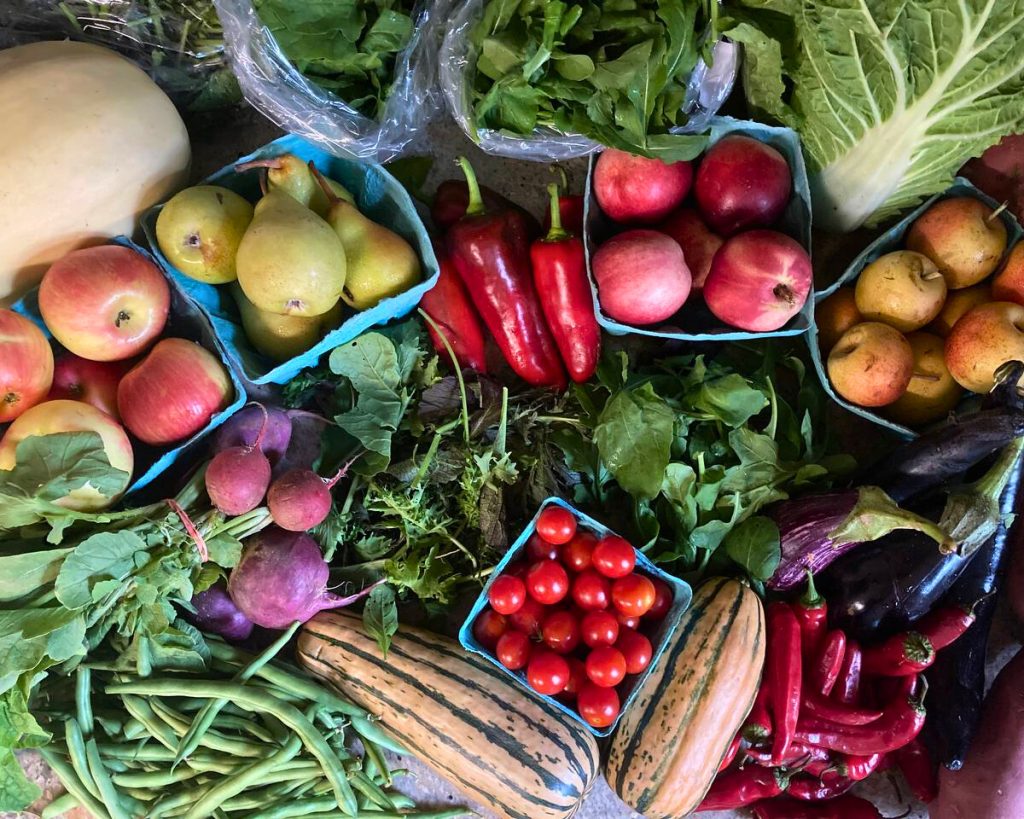
We will continue to source fruit from farms using organic and regenerative practices as much as we can.
As always, we will clearly label what we are offering.
Not all of the fruit we provide is certified organic, and we do not want you guessing.
If fruit is organic, we will label it organic.
If it is not organic but is grown using IPM, we will label it IPM.
IPM means Integrated Pest Management. It means the grower uses careful monitoring and a mix of pest-control practices, and sprays may be used when needed.
It is not the same as certified organic, so we will continue to tell you clearly which is which.
Why grocery stores may look different from local farms
Grocery stores can hide a local crop failure by sourcing fruit from anywhere.
That does not mean grocery stores are doing something wrong. It just means the grocery system is built differently. If Pennsylvania peaches are scarce, a grocery store may bring peaches from another state or another country.
Local farms and farm markets are closer to the real season.
That is one reason local food is so meaningful. You get to taste what is actually happening in the place where you live.
But in a year like this, that also means you feel the loss.
Local food teaches us that food does not come from a shelf. It comes from soil, weather, blossoms, pollinators, workers, families, and farms that take risks every season.
How you can support Lehigh Valley and Pennsylvania fruit growers this year
The best way to support local farms this year is to keep buying what they do have.
That may mean berries instead of peaches.
Vegetables instead of cherries.
Apples later in the season instead of the full variety you are used to.
Flowers, pumpkins, jams, baked goods, and farm market groceries.
When you go to a farmers market or farm stand and have the chance to talk to a fruit grower, ask how their orchard is doing this year. Ask where the fruit is from. Ask what they do have available.
And then buy something.
This is the kind of year when every purchase matters.
The bigger lesson from this fruit season
This year’s fruit shortage is disappointing. We will miss the Pennsylvania peaches too.
But this is also a chance to understand local food more honestly.
Some years the season gives generously.
Some years the weather takes a lot.
And in those hard years, our job as a community is to stay connected to the farms that feed us.
At Willow Haven Farm, we will keep sourcing the best fruit we can, as transparently as we can. We will keep telling you what is local, what is organic, what is IPM, and what is coming from trusted partner farms.
Thank you for trusting us to tell you the truth about your food.
⬇️ Ready to taste the farm?
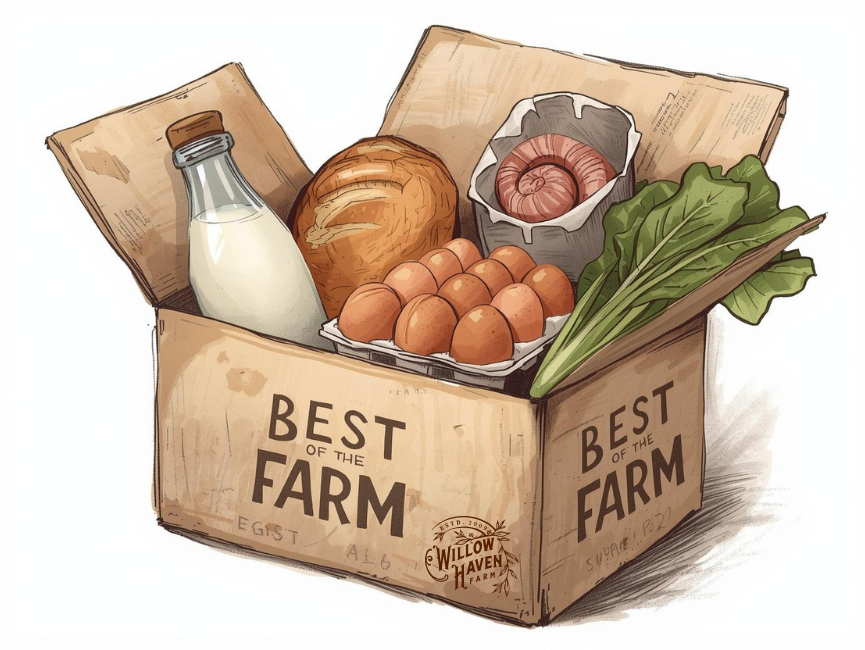
Scroll down to start with the Best of the Farm Sampler, or start your free farm account with a Fruit Bundle subscription.
We’ll keep farming for you!
Reuben and Tessa DeMaster
Willow Haven Farm
Want fresh fruit delivered?
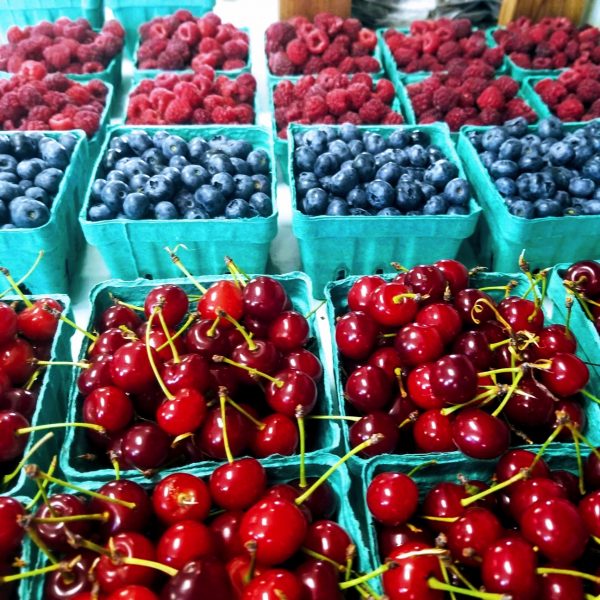
Willow Haven Farm still has limited fruit available through our weekly market bundles. Start simple with a Best of the Farm Sampler, add a Fruit Bunde Subscription if you want first access to the best local fruit.
best local fruit.
Quick answers about fresh fruit and pick-your-own in the Lehigh Valley
Why is fresh fruit limited in the Lehigh Valley this year?
Fresh fruit is limited because a hard April freeze damaged fruit blossoms after many trees had already started blooming. When blossoms are killed, much of that fruit crop is gone for the season.
Why are pick-your-own farms closed or limited this year?
Pick-your-own farms need enough fruit for families to harvest. If the crop is too small, farms may cancel picking, shorten the season, limit quantities, or focus on other crops and farm stand products.
Will there be pick-your-own peaches in the Lehigh Valley this year?
Availability will vary by farm, but many orchards had serious peach and stone fruit losses. Check each farm’s crop updates before visiting.
Will there be fresh berries this year?
There may still be berries, depending on the farm and crop. Berries were affected differently than tree fruit, so check each farm’s current updates for strawberries, raspberries, and blackberries.
Will there be local apples this fall?
Some farms may still have apples, but the crop may be lighter, less predictable, or more limited in variety. Apple picking may vary by orchard.
Why is farm stand fruit more expensive this year?
There is less fruit available, but farms still have many of the same costs, including labor, tree care, equipment, fuel, pest management, and farm stand operations, even if they don’t have a crop this year.
Does sourced fruit mean it is not good fruit?
No. In a hard crop year, farms and co-ops may source from trusted partner farms to keep fruit available. The important thing is transparency about where the fruit came from and how it was grown.
Will Willow Haven still have fruit bundles?
Yes, we expect to have fruit, but availability may be limited, less predictable, and possibly more expensive. When fruit is limited, fruit bundles will be filled first.
What should I ask at a farm stand this year?
Ask where the fruit was grown, how the orchard was affected by the freeze, and what products the farm does have available. Then support the farm by buying what they can offer this year.
