No more peanut butter, kids!
That’s what I told my children when I first started learning about essential fatty acids in pastured eggs and grass fed or pastured meat.
When I began to understand omega-3 and omega-6 fats, I realized my family was probably eating far too many high omega-6 foods. I learned that the typical American diet has an omega-6 to omega-3 ratio of about 16:1. That means 16 omega-6 fats for every 1 omega-3.
A healthier ratio used to be much closer to 1:1 in the “good old days.”
We had already worked hard to eliminate refined and processed vegetable oils from our diet, but I started asking myself a bigger question:
What else could we do to bring our fats back into balance?
That is when peanut butter got the boot.
Peanuts have far more omega-6 than omega-3, and that certainly was not helping us get back to a healthier balance.
What’s the Difference Between Omega-3 and Omega-6?
Our processed, grain-heavy Western diet tends to be overloaded with omega-6 fats and far too low in omega-3s.
Here’s the simple version:
Omega-6 essential fatty acids are found in the seeds of plants.
Omega-6s tend to be more inflammatory.
Omega-3s are found primarily in plant stems and leaves.
Omega-3s are less inflammatory, and sometimes even anti-inflammatory.
It’s the ratio that matters.
Before industrialization, a ratio of 1:1 was typical of the human diet. Read that as: before food became industrialized, highly processed, and disconnected from the land, people ate a much healthier balance of fats.
Today, Western diets can push that ratio as high as 20:1.
That is a huge shift.
Don’t Let Your 6s Get Out of Control
A good goal to shoot for today is a ratio of about 2–4 omega-6 to 1 omega-3.
In other words, don’t let your 6s get out of control.
This is one of those nutrition lessons that starts to change the way you look at food. Because it’s not just about avoiding “bad ingredients.” It’s also about choosing foods that help restore what is missing.
What Do Your Animals Eat?
But guess what else is often eating too many omega-6 fats?
Most conventionally raised meats you find in the store come from animals fed mostly corn and soy, both abundant sources of omega-6.
And what about the hen that laid your eggs?
Well, first you have to know what your hen is eating.

Is she eating mostly seeds and grains?
Or is she out on pasture eating stems and leaves, bugs and forage, the way chickens were designed to live?
It matters because you eat the food your food eats.
That is one of the most important real food lessons I know.
If your animals are eating a steady diet of high omega-6 feed and never getting out on pasture, that affects the nutrition in the food they produce.
How Pastured Eggs Help Balance Omega-3 and Omega-6 Fats
Can we achieve even a 4:1 ratio?
Not without changing our diets.
But here is the good news: animals can help us.
Pastured farm animals like cows and chickens eat lots of stems and leaves when they live on pasture. They are experts at converting that food into nutrients we need in our own diets.
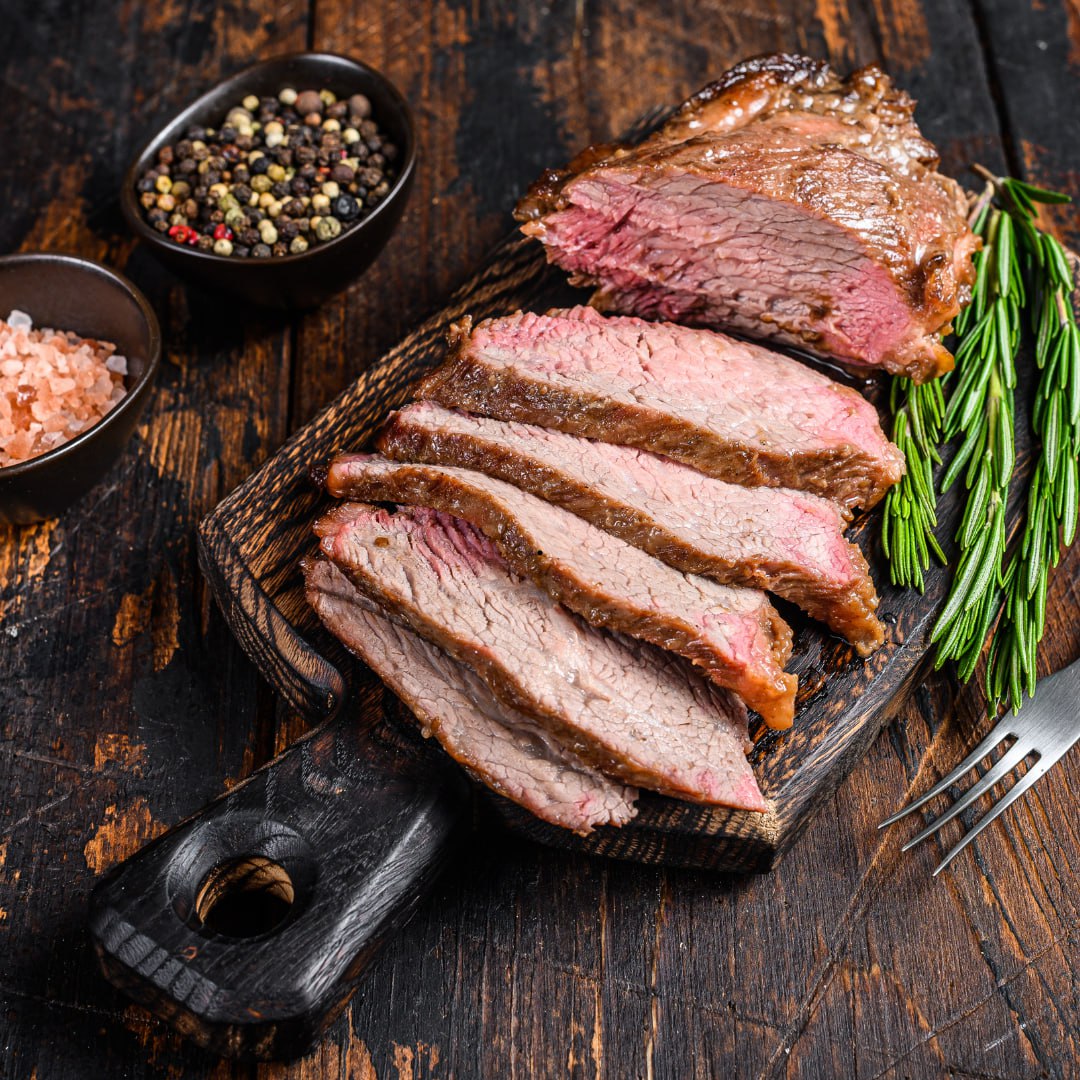
When farm animals eat plenty of omega-3-rich foods like grass and plants, their meat, milk, and eggs will be higher in omega-3s.
And that means the food on your plate can help move your own diet in a healthier direction.
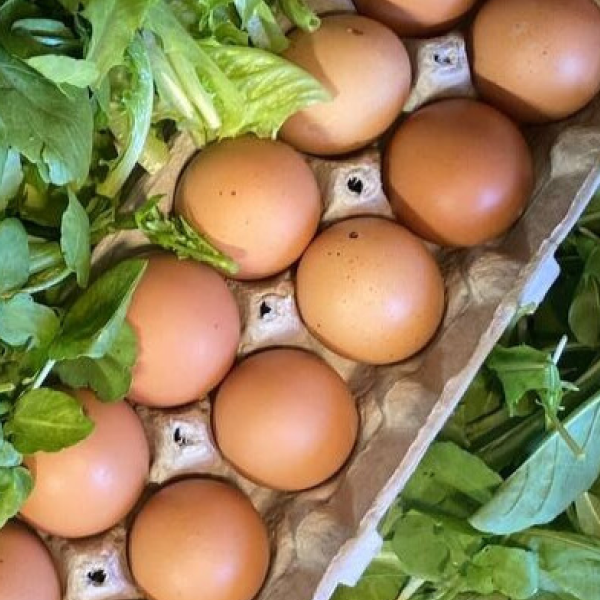
Hens on pasture produce eggs that have 2.5 times more total omega-3 fatty acids, and less than half the omega-6 to omega-3 ratio of conventional eggs.<sup>(1)</sup>
That is not a tiny difference.
That means eating the right eggs can help you start getting your omegas back in balance.
Why We Care So Much About Our Eggs
All of our eggs come from hens raised on pasture, and we do offer a soy-free egg option for families who specifically need that.
For people with soy allergies or sensitivities, these eggs are not just a preference. They can be essential for their health.
Our other eggs still come from hens raised with care on pasture, with feed that is GMO-free and produced without added hormones, pesticides, or vaccines.
Chickens cannot get all their nutritional needs from grass alone, but the more grass and living plants they eat, the better the nutritional profile of their eggs can be. That pasture access is one important reason our eggs are different from conventional eggs.
By avoiding unnecessary soy in our soy-free option and limiting the grain-heavy confinement model that dominates conventional egg production, we can avoid the extreme omega-6 profile that is so common in grocery store eggs.
Of course, you do not want to eliminate omega-6 entirely. You just want to emphasize more omega-3-rich foods in your diet so your ratio comes back into balance.
That is why I stopped buying peanut butter.
And that is why we eat a lot of farm eggs.
Try Them, Try Them, Sam!
So, have you tried real pastured farm eggs?
They are not easy to find in the typical grocery store.
And even when stores do carry specialty eggs, the farmer often receives less than half of what you pay.
That is one reason buying directly from your farmer matters so much. You get fresher food, you know how it was produced, and your dollars go back into raising the kind of food you actually want more of.
Whether you choose our soy-free option or our other pasture-raised eggs, you are getting eggs from hens raised outside on pasture with far more care than the conventional norm.
Not only do real pastured eggs from the farmer taste incredible, they are even better for you than many people realize.
Make one change for the better.
Eat. Real. Pastured. Eggs.
From a farmer you know.
At the end of the day, I am just a mom trying to feed my family well, same as you.
I know how much these small food decisions matter over time.
And I know that sometimes real change starts with something as simple as choosing better eggs.
If this is one small step that helps your family eat better and feel better, then I am grateful to be part of that.
We support your desire to have a good, healthy way of life and organic farm food on your table that supports that goal.
We’ll keep farming for you!
Reuben and Tessa DeMaster
Willow Haven Farm

Bring Real Food from the Farm into Your Kitchen
Start with pastured eggs, then fill your kitchen with nutrient-dense local food from farms that contribute to your health. Shop our online market for eggs, seasonal vegetables, grass-fed meats, wild-caught seafood, and the real-food staples your family deserves.

Source
(1) Research from Penn State found that compared with conventional eggs, eggs from pastured hens had more than double the total omega-3 fatty acids and less than half the omega-6 to omega-3 ratio. Read more here: Penn State summary. Full study here: Cambridge journal article.
